 16 hours ago
Introduction
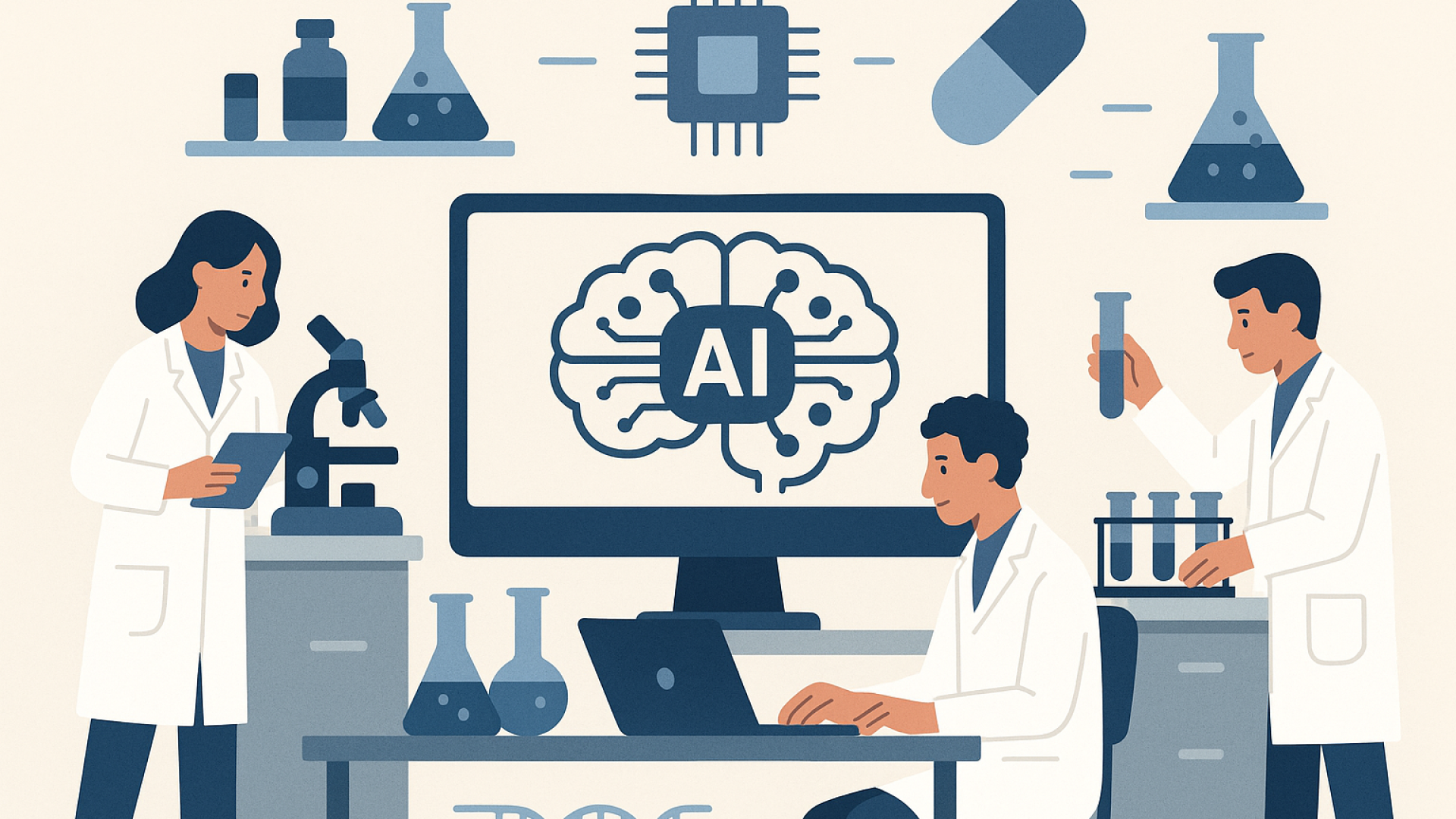
On March 17, 2026, Roche, a global leader in pharmaceuticals and diagnostics, announced the launch of its groundbreaking AI-powered drug development factory in partnership with Nvidia. This initiative represents a significant leap forward in the integration of artificial intelligence (AI) and high-performance computing into the pharmaceutical industry, aiming to revolutionize how new drugs are discovered, developed, and brought to market. By harnessing the power of AI and cutting-edge computational resources, Roche is setting a new standard for innovation and efficiency in drug development, addressing some of the most pressing challenges faced by the industry today.
Context: The Challenges in Modern Drug Development
Drug development has traditionally been a lengthy, costly, and complex process. It often takes over a decade and billions of dollars to bring a new drug from initial discovery through clinical trials to regulatory approval. The high failure rate in clinical trials, coupled with the increasing complexity of diseases such as cancer, neurodegenerative disorders, and rare genetic conditions, has posed significant challenges to pharmaceutical companies worldwide. These challenges have been exacerbated by the need for personalized medicine approaches, which require a deeper understanding of individual patient variability and disease mechanisms.
In recent years, AI and machine learning technologies have shown promise in addressing some of these challenges by enabling faster data analysis, predictive modeling, and simulation. These technologies can analyze vast amounts of biomedical data to identify patterns and insights that would be impossible for humans to detect alone. However, the integration of AI at scale in drug development has been limited by computational constraints, the complexity of biological data, and the need for specialized expertise to develop and interpret AI models effectively.
The Core of Roche's AI Factory Initiative
Roche's new AI factory leverages Nvidia's cutting-edge AI hardware and software platforms to create a high-performance computing environment tailored specifically for drug discovery and development. This factory combines advanced AI algorithms with vast biomedical datasets, including genomic, proteomic, metabolomic, and clinical data, to accelerate the identification of potential drug candidates and optimize clinical trial designs. The integration of these diverse data types allows for a more holistic understanding of disease biology and patient responses.
Key components of the AI factory include:
- High-Performance Computing Infrastructure: Powered by Nvidia's latest GPUs and AI accelerators, the infrastructure enables rapid processing and analysis of complex biological data sets, supporting large-scale simulations and deep learning model training.
- AI-Driven Drug Discovery Platforms: Utilizing deep learning models and generative AI techniques to predict molecular interactions, drug efficacy, toxicity, and safety profiles, thereby streamlining the identification and optimization of drug candidates.
- Integrated Data Ecosystem: Aggregating diverse data sources from internal research, clinical trials, real-world evidence, and public databases to enhance model accuracy and provide comprehensive insights into disease mechanisms and therapeutic responses.
- Collaborative Research Environment: Facilitating seamless partnerships between computational scientists, biologists, chemists, clinicians, and regulatory experts to translate AI findings into actionable drug development strategies and accelerate decision-making processes.
Potential Impact on the Pharmaceutical Industry
The launch of Roche's AI factory is poised to bring several transformative benefits to drug development, potentially reshaping the pharmaceutical landscape:
- Accelerated Drug Discovery: AI can rapidly screen vast chemical libraries and predict promising compounds, significantly reducing the time needed to identify viable drug candidates. This acceleration can shorten the preclinical phase and enable faster progression to clinical trials.
- Improved Clinical Trial Success Rates: By using AI to design smarter clinical trials, identify suitable patient populations, and predict potential adverse effects, the likelihood of trial success can be enhanced. This reduces costly failures and improves the efficiency of the clinical development process.
- Cost Reduction: Streamlining the drug development pipeline through AI-driven efficiencies can lower overall costs, potentially making treatments more affordable and accessible to patients worldwide.
- Personalized Medicine: AI's ability to analyze patient-specific data supports the development of tailored therapies that consider genetic, environmental, and lifestyle factors, thereby improving treatment outcomes and minimizing side effects.
- Enhanced Drug Repurposing: The AI factory can identify new therapeutic uses for existing drugs by analyzing complex biological networks and clinical data, offering faster routes to market for treatments addressing unmet medical needs.
Challenges and Considerations
Despite its promise, the integration of AI in drug development also presents several challenges that must be carefully managed to realize its full potential:
- Data Privacy and Security: Handling sensitive patient data requires stringent safeguards to protect privacy and comply with global regulations such as GDPR and HIPAA. Ensuring secure data sharing and storage is critical to maintaining trust and legal compliance.
- Regulatory Acceptance: Regulatory bodies need to adapt to AI-driven methodologies and establish clear frameworks for validation, transparency, and approval of AI-assisted drug development processes. Collaboration between industry and regulators is essential to create standards that ensure safety and efficacy.
- Interdisciplinary Collaboration: Successful implementation demands close cooperation between AI experts, biologists, clinicians, chemists, and regulatory professionals. Bridging the gap between computational and life sciences is vital for translating AI insights into practical therapeutic solutions.
- Bias and Model Transparency: Ensuring AI models are free from bias and their decision-making processes are interpretable is critical for trust, ethical considerations, and efficacy. Developing explainable AI techniques and rigorous validation protocols is necessary to address these concerns.
- Infrastructure and Talent: Building and maintaining the sophisticated infrastructure required for AI-driven drug development demands significant investment. Additionally, attracting and retaining skilled professionals with expertise in both AI and biomedical sciences remains a challenge.
Broader Industry and Global Implications
Roche's initiative reflects a broader trend in the pharmaceutical industry towards digital transformation and AI adoption. Other companies, academic institutions, and research organizations are increasingly investing in AI technologies to enhance drug discovery, diagnostics, and healthcare delivery. This collective momentum is driving innovation ecosystems that combine computational power, data science, and biomedical research.
Moreover, the AI factory has implications beyond pharmaceuticals. It exemplifies how AI and high-performance computing can be harnessed to tackle complex scientific challenges, potentially benefiting fields such as genomics, epidemiology, personalized healthcare, and public health surveillance. The ability to rapidly analyze and interpret large-scale biological data can accelerate responses to emerging health threats, improve disease prevention strategies, and support precision medicine initiatives globally.
Furthermore, the collaboration between Roche and Nvidia highlights the importance of cross-industry partnerships in advancing technological innovation. By combining expertise in pharmaceuticals and AI hardware/software development, such alliances can drive breakthroughs that neither sector could achieve alone.
Conclusion: Towards a New Paradigm in Drug Development
Roche's launch of an Nvidia-powered AI factory marks a pivotal moment in the evolution of drug development. By combining advanced AI capabilities with vast biomedical data and expert collaboration, this initiative promises to accelerate innovation, improve patient outcomes, and reduce costs. It represents a shift towards a more data-driven, efficient, and personalized approach to creating new therapies.
As the pharmaceutical industry continues to embrace AI, it will be essential to address challenges related to data governance, regulatory frameworks, interdisciplinary collaboration, and ethical considerations. Success in these areas will not only enhance the impact of Roche's AI factory but also set a precedent for future efforts to harness technology in the pursuit of better health worldwide. Ultimately, this new era of AI-powered drug development holds the potential to transform medicine, bringing hope to millions of patients and advancing global healthcare.