 15 hours ago
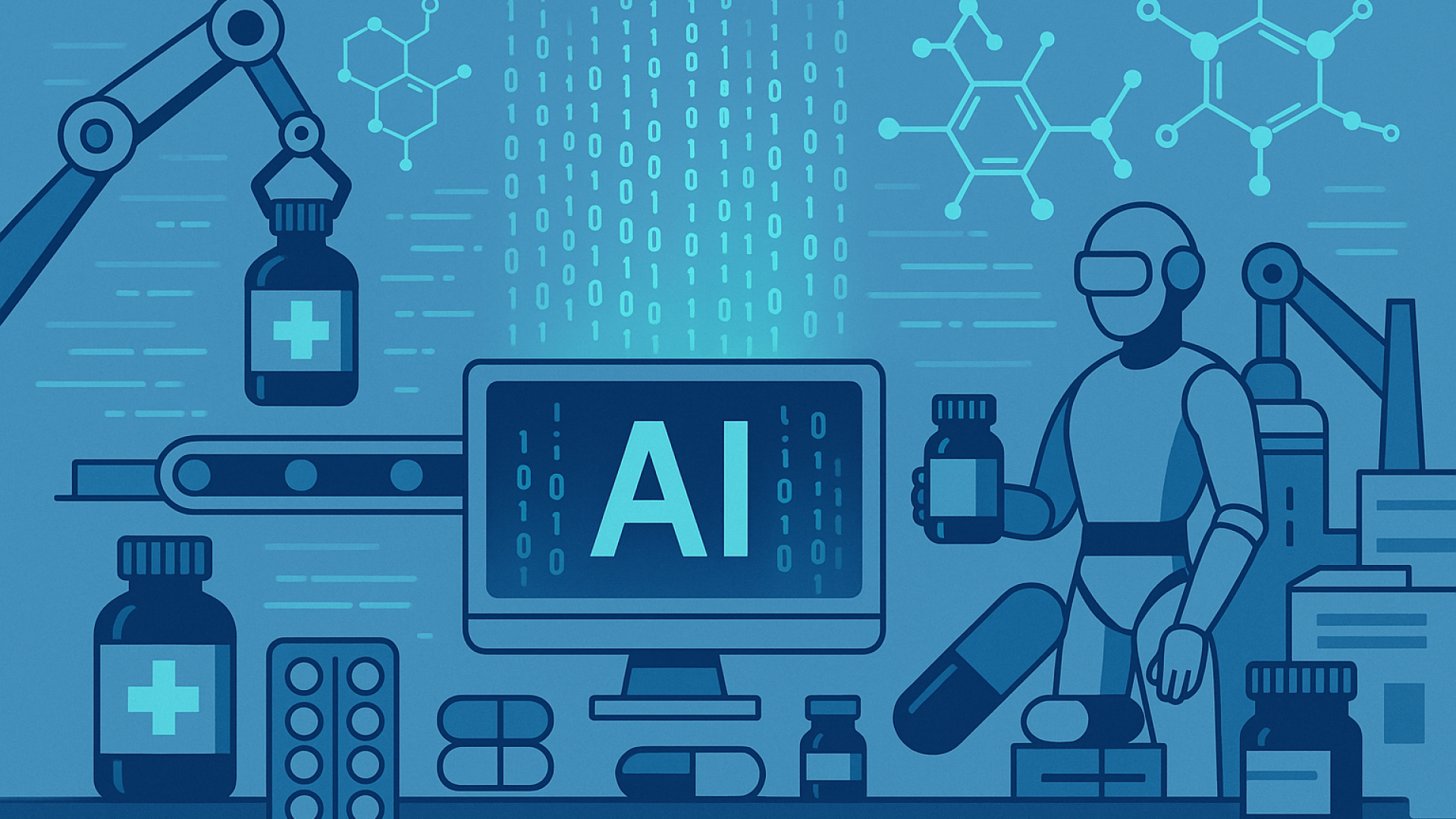
In a significant leap forward for the pharmaceutical industry, Roche has announced the launch of an advanced AI-powered drug development factory, leveraging cutting-edge Nvidia technology. This initiative aims to revolutionize the way new medicines are discovered, developed, and brought to market, potentially transforming healthcare outcomes on a global scale.
Context: The Growing Role of AI in Drug Development
The pharmaceutical sector has long faced challenges related to the high costs, lengthy timelines, and complex processes involved in drug discovery and development. Traditional methods often require years of research, clinical trials, and regulatory approvals before a new drug reaches patients. However, the integration of artificial intelligence (AI) and machine learning technologies has begun to reshape this landscape, offering new hope for faster and more efficient drug development.
AI offers the potential to analyze vast datasets, identify promising drug candidates, predict molecular interactions, and optimize clinical trial designs more efficiently than ever before. Leading tech companies like Nvidia have developed powerful AI hardware and software platforms that enable these capabilities, making them invaluable partners for pharmaceutical innovators. Nvidia's GPUs and AI frameworks provide the computational power necessary to process complex biological data and run sophisticated simulations that were previously impossible or prohibitively time-consuming.
The Core of Roche’s AI Factory
Roche’s new AI factory is designed as a state-of-the-art facility combining Nvidia’s high-performance GPUs and AI frameworks with Roche’s deep expertise in biomedicine. This factory is not just a physical space but an integrated ecosystem where AI-driven processes streamline every stage of drug development. The factory integrates multiple AI-driven processes, including:
- Data Integration and Analysis: Aggregating diverse biomedical data sources such as genomics, proteomics, metabolomics, and clinical records to uncover novel drug targets and biomarkers. By harnessing AI, Roche can analyze complex biological interactions and disease mechanisms at unprecedented scale and depth.
- Predictive Modeling: Using advanced machine learning algorithms to simulate drug interactions at the molecular level, predict efficacy and safety profiles, and identify potential side effects before clinical testing. This reduces the risk of late-stage failures and accelerates candidate selection.
- Automated Experimentation: Employing robotics combined with AI to conduct high-throughput screening and optimize compound synthesis. This automation enables rapid iteration and refinement of drug candidates, significantly speeding up the experimental phase.
- Clinical Trial Optimization: Enhancing patient recruitment strategies and trial design through AI-driven analytics to reduce costs and improve success rates. AI can identify suitable patient populations, predict trial outcomes, and monitor real-time data to adapt protocols dynamically.
This comprehensive approach is expected to shorten drug development cycles significantly, reduce failure rates, and lower overall costs, ultimately accelerating the delivery of new therapies to patients in need. By integrating AI at every stage, Roche aims to transform drug development from a traditionally slow and costly process into a more agile, data-driven endeavor.
Implications for the Pharmaceutical Industry and Healthcare
The launch of Roche’s AI factory represents a pivotal moment in the convergence of technology and medicine. By harnessing Nvidia’s AI capabilities, Roche is positioning itself at the forefront of pharmaceutical innovation. The implications are far-reaching and multifaceted:
- Faster Innovation: AI-driven insights can identify promising drug candidates more rapidly, enabling quicker responses to emerging health threats and unmet medical needs. This agility is crucial in addressing pandemics, rare diseases, and complex conditions.
- Personalized Medicine: Advanced data analytics facilitate the development of tailored therapies based on individual genetic and molecular profiles, improving treatment efficacy and minimizing adverse effects. AI enables the stratification of patient populations and the design of precision therapeutics.
- Cost Efficiency: Streamlining research and development processes can reduce expenses, potentially lowering drug prices and increasing accessibility. This economic benefit could democratize access to cutting-edge treatments worldwide.
- Collaborative Opportunities: The AI factory model encourages partnerships between tech companies, academic institutions, and healthcare providers to foster innovation ecosystems. Such collaborations can accelerate knowledge sharing and drive breakthroughs.
Challenges and Considerations
Despite its promise, the integration of AI into drug development also presents significant challenges. Data privacy and security remain paramount concerns, especially when handling sensitive patient information. Ensuring compliance with regulations such as GDPR and HIPAA is critical to maintaining trust and safeguarding data.
Transparency and explainability of AI algorithms are essential to gaining regulatory approval and public trust. Black-box models may face skepticism from regulators and clinicians, so developing interpretable AI systems is a key focus area.
Moreover, the pharmaceutical industry must address potential workforce impacts, including the need for new skill sets and the ethical implications of AI-driven decision-making. Training programs and interdisciplinary collaboration will be necessary to equip researchers and clinicians with the tools to work alongside AI effectively.
Continuous evaluation and adaptation will be necessary to maximize benefits while mitigating risks. Ethical frameworks and governance structures must evolve in parallel with technological advancements to ensure responsible AI deployment.
Looking Ahead: The Future of AI in Medicine
Roche’s AI factory launch signals a broader trend toward digital transformation in healthcare. As AI technologies evolve, their integration into drug discovery and development is expected to deepen, driving more personalized, effective, and affordable treatments.
Future advancements may include enhanced AI models capable of simulating entire biological systems, enabling researchers to predict complex disease pathways and drug responses with greater accuracy. Real-time monitoring of drug effects through wearable devices and integration with electronic health records could support adaptive treatment regimens tailored to individual patient needs.
Additionally, AI could facilitate the discovery of novel therapeutic modalities such as gene editing, cell therapies, and RNA-based treatments by accelerating target identification and validation.
For patients, healthcare providers, and the pharmaceutical industry alike, these developments hold the promise of a new era in medicine—one where innovation is accelerated, outcomes are improved, and access to life-saving therapies is expanded globally.
Conclusion
The collaboration between Roche and Nvidia to create an AI-powered drug development factory marks a transformative step in pharmaceutical research. By combining AI’s analytical power with biomedical expertise, this initiative aims to overcome longstanding challenges in drug discovery, reduce costs, and bring new treatments to patients faster.
While challenges remain, the potential benefits for healthcare innovation and patient outcomes are substantial. As this AI factory begins operations, it will serve as a model for how technology and medicine can intersect to address some of the most pressing health challenges of our time. The success of this endeavor could inspire similar initiatives worldwide, ushering in a new paradigm for drug development and personalized medicine.