 18 hours ago
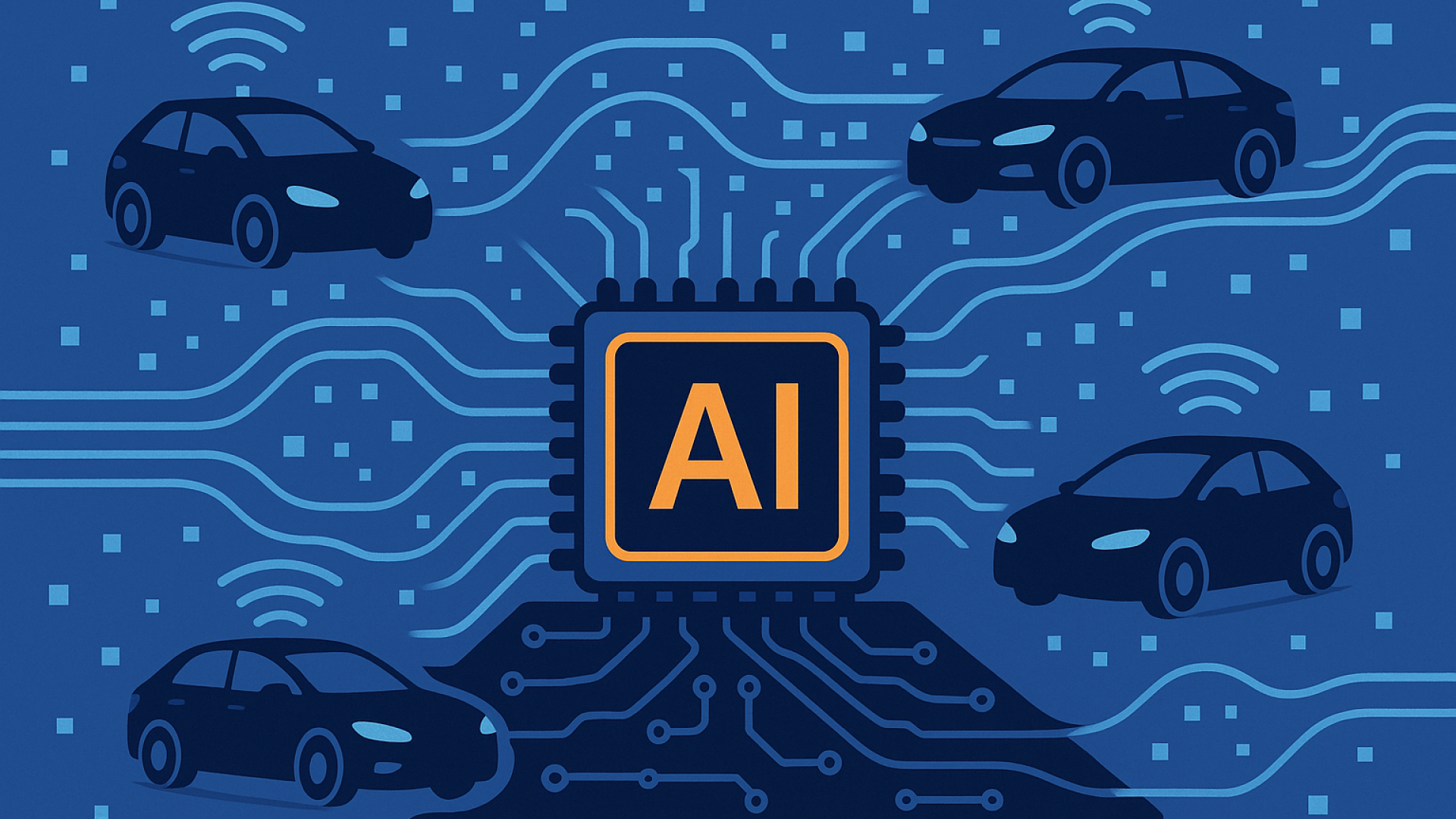
On March 17, 2026, Nvidia once again demonstrated its leadership in artificial intelligence (AI) and technology innovation at the annual GPU Technology Conference (GTC). The company unveiled a series of groundbreaking AI advancements, including a new AI inference system powered by Groq technology, designed to significantly enhance processing speed and efficiency. Alongside this, Nvidia announced strategic expansions in its self-driving technology business, adding major automakers such as Hyundai and BYD to its growing portfolio.
Context: The Growing Importance of AI in Technology and Industry
Artificial intelligence has become a cornerstone of technological progress across multiple sectors, from healthcare and finance to automotive and entertainment. As AI models grow increasingly complex, the demand for faster, more efficient inference systems has surged. Inference—the process by which AI models apply learned knowledge to new data—is critical for real-time applications such as autonomous vehicles, robotics, and interactive AI assistants.
Nvidia, a pioneer in graphics processing units (GPUs), has continuously evolved to meet these demands by developing specialized hardware and software solutions. The GTC conference serves as a platform for Nvidia to showcase its latest innovations and set the tone for the industry’s future trajectory. Over the years, Nvidia has transformed from a GPU manufacturer into a comprehensive AI computing powerhouse, driving advancements in deep learning frameworks, AI model optimization, and edge computing.
Core Innovations Unveiled at GTC 2026
AI Inference System Powered by Groq Technology
One of the marquee announcements was the introduction of an AI inference system leveraging Groq’s cutting-edge technology. Groq, known for its tensor streaming processor architecture, offers a unique approach to AI computation that emphasizes ultra-low latency and high throughput. This architecture allows for streamlined data processing paths that minimize delays and maximize efficiency.
Nvidia’s integration of Groq technology into its inference systems aims to deliver unprecedented speed improvements. This new system is designed to accelerate AI workloads by optimizing data flow and minimizing bottlenecks, enabling real-time processing for applications that demand instantaneous responses. The system supports a wide range of AI models, from natural language processing to computer vision, making it versatile for various industry needs.
Industry experts anticipate that this advancement will have far-reaching implications, particularly in sectors where milliseconds can make a difference, such as autonomous driving, financial trading, and medical diagnostics. For example, in autonomous vehicles, faster inference means quicker reaction times to dynamic road conditions, enhancing safety and reliability. In healthcare, rapid AI inference can improve diagnostic accuracy and enable real-time patient monitoring.
Expansion of Self-Driving Technology Partnerships
In addition to hardware innovations, Nvidia announced the expansion of its self-driving technology business. The company revealed new collaborations with prominent automakers including Hyundai and BYD, joining existing partners to push the boundaries of autonomous vehicle development. These partnerships are part of Nvidia’s broader strategy to embed its AI platforms deeply into the automotive ecosystem.
These collaborations focus on integrating Nvidia’s AI platforms into vehicle systems to enhance perception, decision-making, and control capabilities. By leveraging Nvidia’s AI inference advancements, automakers aim to improve safety, efficiency, and user experience in their autonomous driving solutions. The partnerships also involve joint research and development efforts to tailor AI models specifically for diverse driving environments and regulatory requirements across global markets.
The inclusion of Hyundai and BYD underscores Nvidia’s growing influence in the global automotive market, particularly in Asia, where demand for smart mobility solutions is rapidly increasing. Both automakers bring significant manufacturing scale and regional expertise, which will accelerate the deployment of Nvidia-powered autonomous vehicles in key markets such as China and South Korea.
Implications and Potential Solutions for Industry Challenges
The innovations presented by Nvidia address several critical challenges faced by AI and autonomous technology sectors:
- Latency and Speed: Real-time AI applications require minimal delay. Nvidia’s Groq-powered inference system offers a solution by drastically reducing latency, enabling faster decision-making. This is crucial for applications like autonomous driving where split-second decisions can prevent accidents.
- Scalability: As AI models grow larger and more complex, scalable hardware solutions are essential. Nvidia’s approach supports scaling without compromising performance, allowing enterprises to deploy increasingly sophisticated AI models without prohibitive costs or infrastructure demands.
- Integration with Automakers: Collaborations with Hyundai, BYD, and others facilitate the practical deployment of AI in vehicles, bridging the gap between research and real-world application. These partnerships ensure that AI systems are optimized for automotive standards, safety regulations, and user expectations.
Looking forward, these advancements could accelerate the adoption of autonomous vehicles, improve AI-driven services, and foster innovation across industries. However, challenges remain, including regulatory hurdles, ethical considerations, and the need for robust cybersecurity measures to protect AI systems from vulnerabilities. Nvidia and its partners are actively engaging with policymakers and industry groups to address these issues, promoting standards that balance innovation with safety and privacy.
Moreover, the environmental impact of AI computing is gaining attention. Nvidia is also focusing on energy-efficient AI hardware designs and sustainable data center operations to reduce the carbon footprint associated with large-scale AI deployments.
Conclusion: Shaping the Future of AI and Technology
Nvidia’s announcements at GTC 2026 highlight the company’s commitment to pushing the boundaries of AI technology. By combining hardware innovation with strategic industry partnerships, Nvidia is poised to influence the trajectory of AI development and its integration into everyday life. The introduction of Groq-powered inference systems and expanded automotive collaborations exemplify Nvidia’s holistic approach to solving complex AI challenges.
As AI continues to evolve, the technologies unveiled today will likely serve as foundational elements for future breakthroughs. Stakeholders across industries will be watching closely as these innovations move from conference presentations to practical implementation, potentially transforming how we interact with technology in the years to come. With Nvidia leading the charge, the future of AI promises to be faster, smarter, and more seamlessly integrated into the fabric of daily life.